
After more than four decades in the food and beverage and hospitality industries, Herb’n Garden Farms founder Ari Sobel was ready for a new chapter. What began as a career transition soon became a mission-driven journey into controlled environment agriculture, supplying tens of thousands of pounds of fresh produce to Western New York each year.
Located on Grand Island, just outside Buffalo, NY, Herb’n Garden Farms stands as a testament to what’s possible with determination, education and the right growing systems.
A New Beginning Rooted in Purpose
Ari’s introduction to hydroponics came unexpectedly. While planning his exit from senior management roles in the casino and hospitality industries, he came across a CNN story about container-based hydroponic farming.

“The simplicity and elimination of so many conventional farming variables really appealed to me,” Ari explains. “It was still food. It started with the seed. Philosophically, it’s about providing one of the few true essentials for life.”
Rather than continuing in an industry centered on entertainment and consumption, Ari saw hydroponics as a way to serve his community in a more meaningful way, by producing fresh, local food year-round.
Why Hydroponics—and Why a Greenhouse?
From the start, Ari was drawn to hydroponics for its efficiency and control.
Compared to traditional agriculture, hydroponic growing offered greater consistency, fewer weather-related risks, faster growth cycles, improved ergonomics for staff and exceptional flavor and quality.
When evaluating potential growing environments including shipping containers, vertical farms, and warehouses, Ari consulted with professors at the University of Arizona. Their recommendation was unanimous: build a greenhouse.
“They didn’t hesitate,” he says. “Greenhouses are simply more efficient for light, heating and cooling.”
In 2017, Ari and his partner Kevin Colosimo purchased 3.8 acres on Grand Island and began building their farm, doing most of the work themselves.
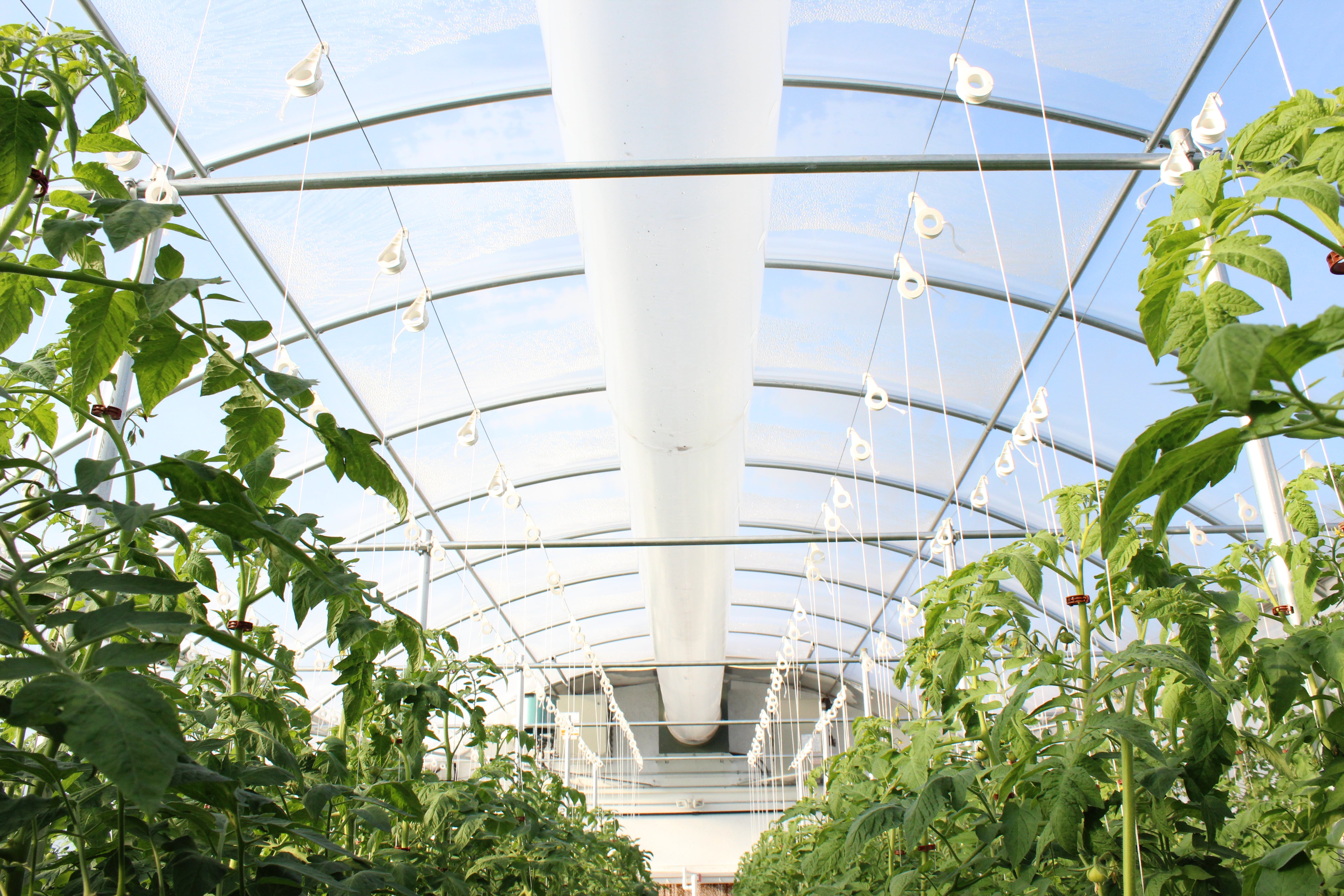
Today, Herb’n Garden Farms operates an impressive controlled environment facility that includes a CropKing three-bay gutter-connect greenhouse with approximately 8,500 square feet of growing space, two dedicated production areas (Bato Bucket & NFT systems), and two bespoke built head house/entryways.
 Production, Markets, and Growth
Herb’n Garden Farms operates year-round and has recently started their fifth growing season.
In 2025 alone, the farm produced:
-
Over 25,000 pounds of tomatoes
-
Approximately 88,000 heads of lettuce, leafy greens and herbs
Their produce reaches the community through multiple channels including selling at farmers markets, food pantries, restaurants and caterers, casino and hotels, distributors, and the Buffalo Public Schools.
In addition to fresh produce, the farm has expanded into value-added products, including pesto, dressings, salsas, soups and sauces for additional revenue.
Overcoming Early Challenges
Like many first-time growers, Ari faced a steep learning curve, both in construction and production.
“We had no construction experience and no agricultural background,” he recalls. “The school of hard knocks was brutal.”
Whether it was "mud, mud or even more mud", planning and zoning delays, unreliable labor sources or personal health issues, Ari and Kevin persevered to get their facility built and operational.
The Power of Education and Support
Education played a pivotal role in Herb’n Garden Farms’ success.
Ari attended CropKing workshops as well as the University of Arizona Lettuce Intensive, gaining hands-on knowledge in plant nutrition, disease management, greenhouse systems, pruning and crop maintenance and market viability.
“Both programs impacted us immeasurably,” he says. “We still work with CropKing horticulturalists and continue learning every day.”
Advice for New Growers
For aspiring hydroponic farmers, Ari offers practical, experience-based guidance:
-
Work on an established farm before starting your own
-
Learn from other growers
-
Seek utility and agricultural grants
-
Consider investors over traditional debt
-
Keep systems simple and proven
-
Stay flexible and adaptable
-
Don’t take setbacks personally
“It’s easy to enjoy a seminar or a workshop,” he notes. “It’s very different when it’s your everyday reality.”
The Mindset for Success
According to Ari, success in controlled environment agriculture requires more than technical skill. It demands the right mindset and skills including persistence and diligence, financial management, problem-solving ability, physical stamina, customer service skills, and so much more.
“Looking good isn’t enough,” he says. “It has to taste exceptional.”
Lessons Learned and Looking Ahead
If he were starting over, Ari says he would approach several things differently. He suggests:
-
Working on other farms first
-
Hiring experienced construction help
-
Building a packing facility early
-
Installing refrigeration from day one
-
Narrowing crop focus
-
Adding value-added products sooner
-
Investing in renewable energy
-
Prioritizing high-margin sales channels
Despite the challenges, Ari has no regrets about his journey into agriculture.
His advice is delivered with humor and humility:
“Laugh at yourself. Things can go from normal to higgly-piggly in the blink of an eye. Solve the problem and move on.”